Mamari
Imágenes


Custodia y ubicación informadas
Las fuentes pueden describir custodias o ubicaciones históricas.
Custodia informada: Congregación de los Sagrados Corazones, Via Monte Carmelo, 85, Roma
Registrado en: Ana Maria Arredondo · Arte en la cultura rapanui — PDF, pages 12–19, “MUSEOS DEL MUNDO EN DONDE HAY PIEZAS DE RAPA NUI”
Ubicación informada: Roma
Registrado en: Ana Maria Arredondo · Arte en la cultura rapanui — PDF, pages 12–19, “MUSEOS DEL MUNDO EN DONDE HAY PIEZAS DE RAPA NUI”
Custodia informada: Padri dei Sacri Cuori (SSCC)
Registrado en: Wikipedia contributors · Wikipedia contributors collection record for Mamari
Artículos sobre este objeto
Publicación de MoSA
La tablilla Mamari
Paula Rossetti, Leo Pakarati, Ana María Arredondo · Publicado en español (Chile)
La historia de la tablilla Mamari, las propuestas sobre su texto y las desigualdades en el acceso al patrimonio de Rapa Nui.
Relatos de las fuentes
Arte en la cultura rapanui — PDF, pages 12–19, “MUSEOS DEL MUNDO EN DONDE HAY PIEZAS DE RAPA NUI” (4 afirmaciones)
Referencia: Arte en la cultura rapanui — PDF, pages 12–19, “MUSEOS DEL MUNDO EN DONDE HAY PIEZAS DE RAPA NUI”
Autoría de la fuente: Ana Maria Arredondo
Custodia informada: Congregación de los Sagrados Corazones, Via Monte Carmelo, 85, Roma
Ubicación informada: Roma
Clasificación: Tablilla Rongo Rongo
Nombre: Mamari
La tablilla Mamari (1 afirmación)
Referencia: MoSA article: La tablilla Mamari
Autoría de la fuente: Paula Rossetti, Leo Pakarati, Ana María Arredondo
Descripción: la interpretación calendárica es solo una propuesta entre otras, no un hecho establecido.
Pasaje: La tablilla Mamari
Musée du quai Branly – Jacques Chirac, “Treasures of Rapa Nui (Easter Island)”, Aruku Kureŋa and Mamari sections; accessed 23 September 2026 (5 afirmaciones)
Nombre: Mamari
Material: mako'i wood (Thespesia populnea)
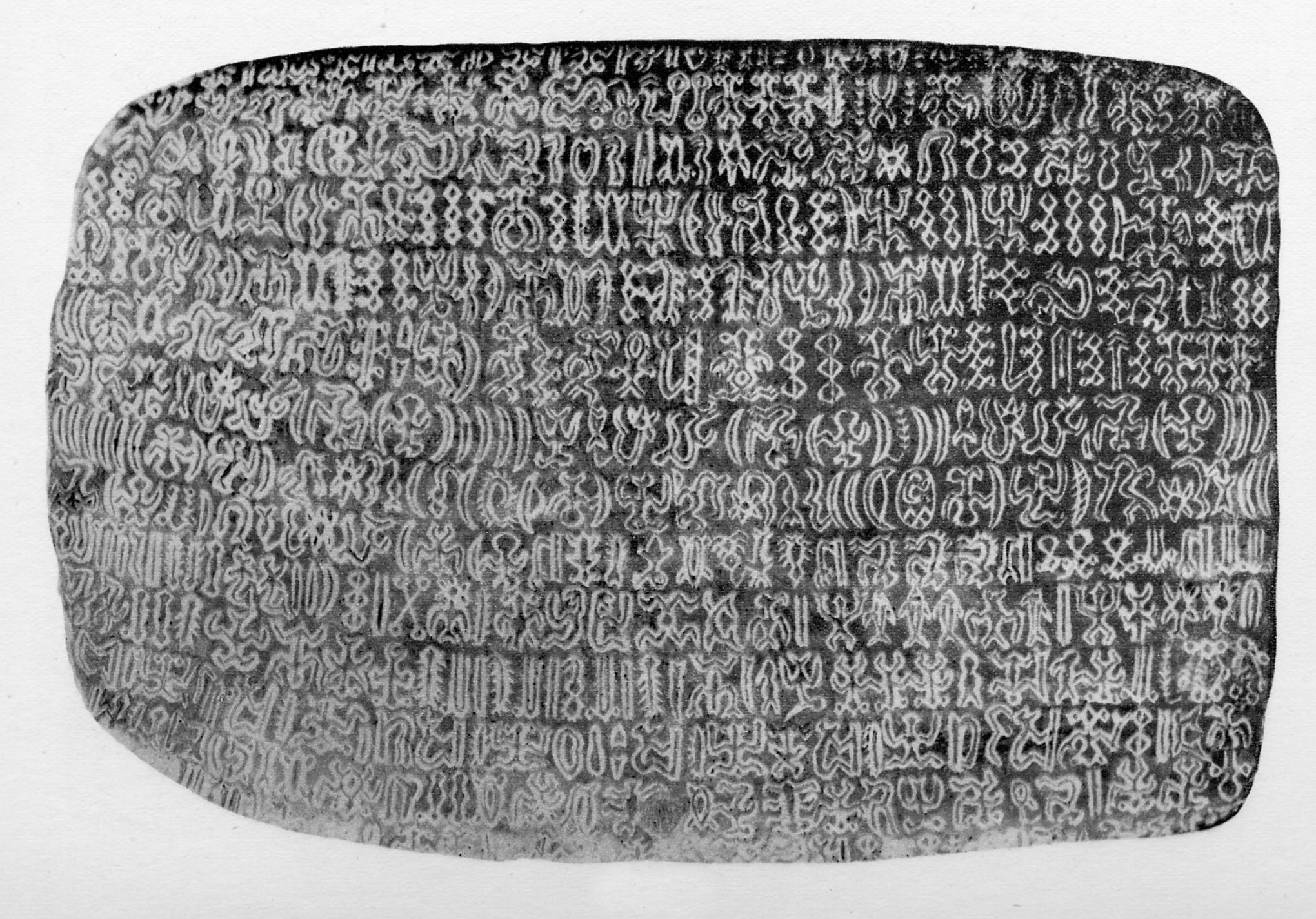
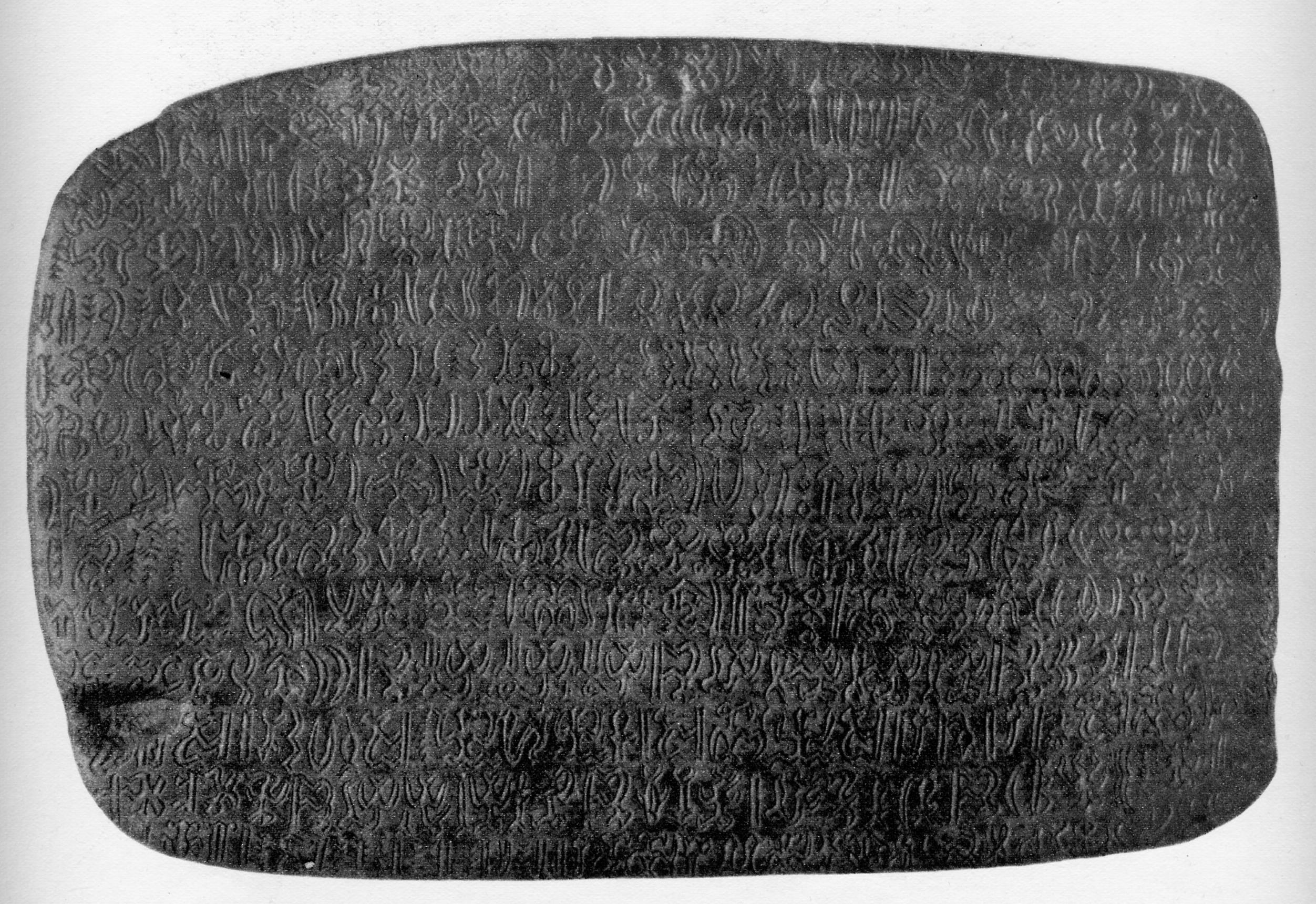
Descripción: It contains around 800 glyphs, spread over 14 lines on each side.
Descripción: It is distinguished by its patina and lustrous appearance, suggesting long lasting ceremonial use (Orliac and Orliac 2008, p. 255-256).
Descripción: According to Paul Horley (2021), it is the only known tablet to feature a lunar calendar.
BeWeb institute record for Mamari (1 afirmación)
Referencia: https://www.beweb.chiesacattolica.it/istituticulturali/istituto/3557
Número de catálogo: sscc-catalogue: P 003
Wikipedia contributors collection record for Mamari (13 afirmaciones)
Referencia: https://en.wikipedia.org/wiki/Rongorongo_text_C
Autoría de la fuente: Wikipedia contributors
Nombre: Text C
Nombre: Mamari
Nombre: RR2
Descripción: Jaussen called it Miro-Mimosa ('Mimosa wood').
Custodia informada: Padri dei Sacri Cuori (SSCC)
Descripción: Text C is held in the general archives of the Padri dei Sacri Cuori (SSCC), Casa Generalizia, Via Rivarone 85, I-00166 Rome, Italy.
Material: Pacific rosewood
Descripción: 29 cm × 19.5 cm × 2.5 cm
Descripción: The tablet is in excellent condition, with one hole at the top (verso).
Descripción: One of Florentin-Étienne Jaussen's tablets, Mamari was apparently collected on Easter Island by Father Gaspar Zumbohm in 1870 and sent to him in Tahiti.
Descripción: It was sent to the headquarters of the Congrégation des Sacrés-Coeurs et de l'Adoration (SSCC) in Paris, where it was deposited in the Missionary Museum, either by Jaussen in 1888 or by the French navy in 1892 after his death. In 1905 it was moved to the SSCC museum in Braine-le-Comte, Belgium. In 1953 it followed the SSCC to Grottaferrata, near Rome, and in 1964 to Rome itself. In 1974 the SSCC moved to its permanent headquarters in Rome.
Descripción: Fourteen lines of glyphs on each side, with ~ 1000 glyphs in total.
Descripción: Two and a half of the fourteen lines on the recto have been shown to include calendrical information; Guy suggests possible phonetic readings of some of the glyphs in this section. Additional lines on both sides may also be calendrical.