About MoSA
MoSA is a museum dedicated to collaborating with communities that choose to undertake processes of restitution and reconnection of artefacts and ancestors looted in colonial contexts. It grew from shared aspirations, experiences and a spirit of collaboration between Leo Pakarati, Paula Rossetti, Rayén Mitrovich, Jo Kroese, the late Bene Tuki, Ana María Arredondo, Mario Amahiro Tuki and other people and communities, grounded in shared convictions: preservation does not equal care, ownership alone does not confer legitimacy, and restitution is not the loss of an object but the repair of an interrupted relationship.
The Museum of Stolen Artefacts begins by recognising the authority of peoples and legitimate heirs to decide on the care, stewardship and return of their ancestors and objects taken from them. We want to open up questions, connect networks and build alliances to initiate, advance and accompany these processes. Repair also means reconnecting what was separated.
Naming dispossession
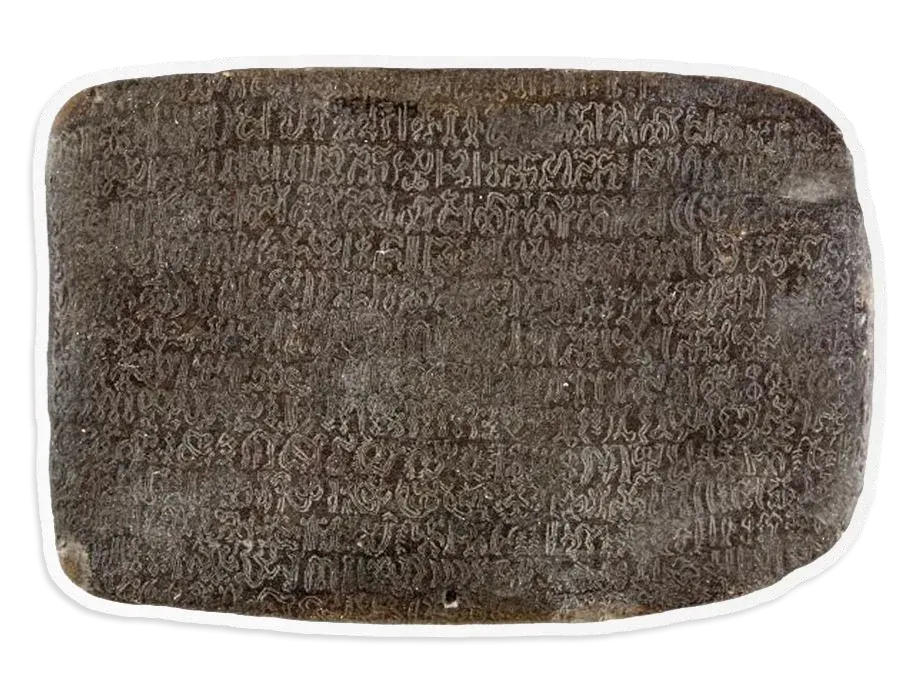
We use the word “stolen” deliberately: not to litigate whether each piece meets a legal definition of theft, but to name without euphemism the colonial violence and inequality through which thousands of entities left their territories. MoSA challenges museums and collections that retain displaced cultural belongings and ancestors, whose naming, care and representation belong to their communities of origin.
Hacking the museum,
affirming other relationships
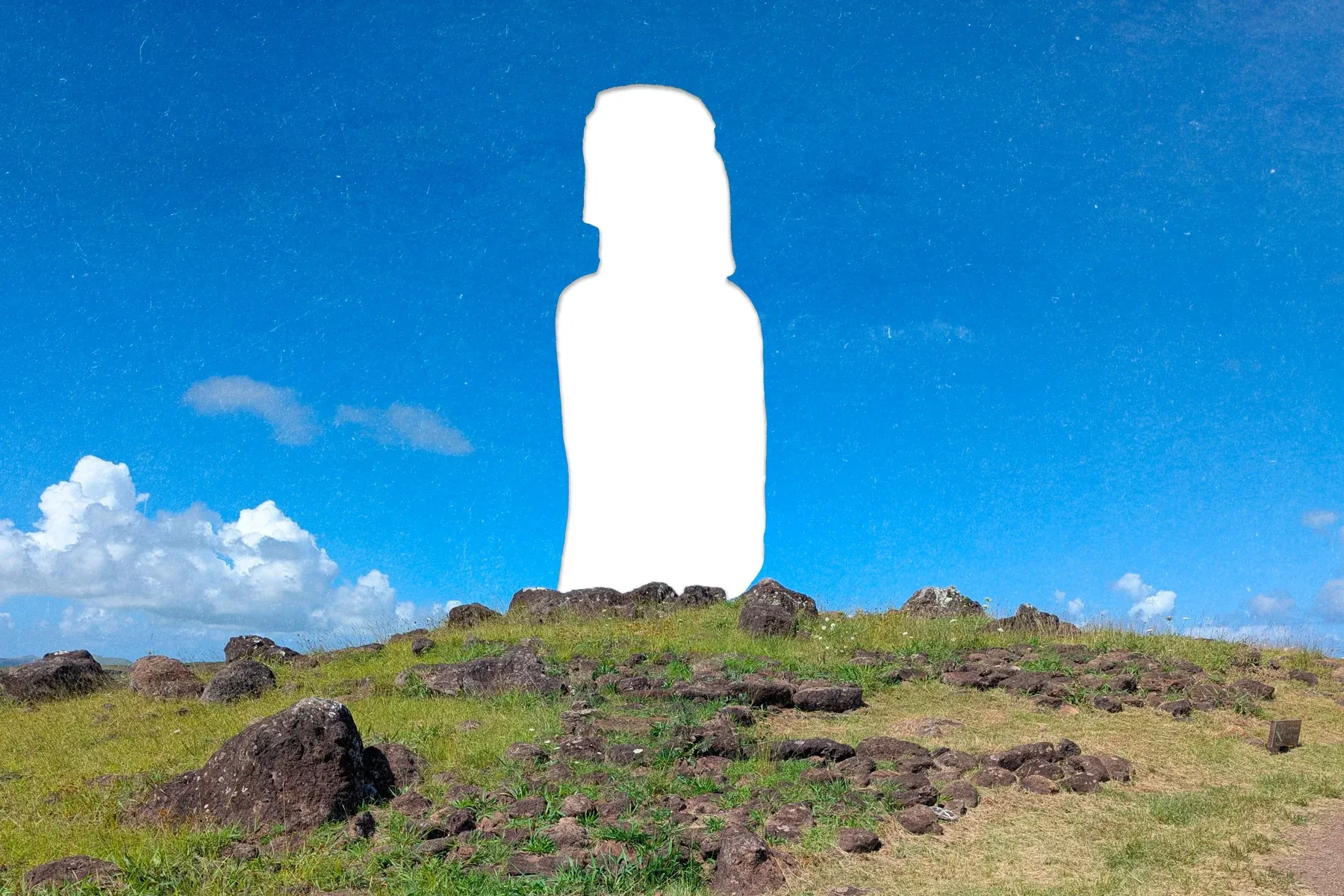
Our approach is affirmative as well as critical: MoSA brings together information, resources and networks to support the processes of reconnection and restitution that communities choose to undertake.
We take the very tools museums use to name, classify and legitimise — catalogues, archives and databases — and redirect them towards locating, connecting and returning. We build alliances between community knowledge holders, artists, activists, academics and museum workers. MoSA is sustained by plurality, difference and the agency of particular people.
Reconnection
as our horizon
Restitution is a starting point, not an endpoint. The colonial harm MoSA addresses is relational: when an entity is taken from its territory, so is the possibility for future generations to inherit those practices and that knowledge first-hand.
Those relationships can be reactivated. This makes it possible to reconnect territories, memories, knowledge, generations, artefacts and ancestors, and to create new forms of relationship under present conditions.
Our horizon is therefore reconnection: bringing what was separated back into relation, knowing that there is no intact past to which we can simply return. With Rapa Nui as its first centre of gravity, MoSA seeks to become a reference for other peoples and other inheritances to undertake their own processes of reconnection.
A fabric called territory
We understand territory as a living web of relationships. It is land, ocean, the contours of the landscape, flowing water, stone and wind. It is also made up of those who inhabit it: their creations, language, poetry, ways of seeing, dreams, recitations, ancestors and dead.
Understood in this way, territory works like a fabric: a great braid whose strands intertwine and support one another. It also works as a system, a mechanism of interdependent parts, and as a puzzle whose pieces need one another to hold the whole together. We might even think of it as a cosmos: an order of relationships that exists while its parts remain connected.
When a strand is cut, the fabric loses its balance. It loses mana: the energy that allows relationships to endure and things to happen in harmony.
This happens in every corner of our world, whether in a small community or across a great continent. In Rapa Nui, the dispersal of hundreds of these strands — bodies, objects, cords of hair and tablets — to museums and collections around the world over more than a century has transformed those relationships.
What happens to a territory when part of it remains far away for generations? What relationships can be reactivated when what was separated returns? Is it possible to restore the balance of a fabric without returning all its strands?
Team
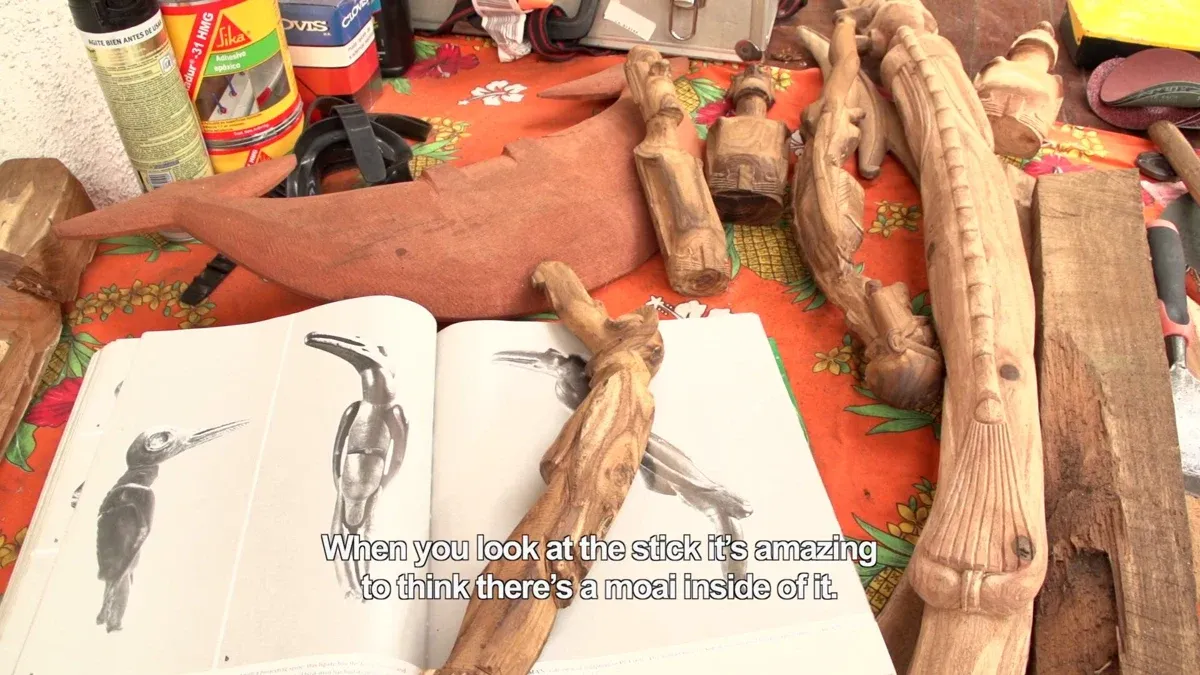
MoSA is built collectively by people and organisations with different knowledge, experiences and connections to the restitution and reconnection of heritage.
The core team comprises Radical Data, Rayén Mitrovich and Jo Kroese, together with filmmaker and activist Leo Pakarati, and historian, filmmaker and activist Paula Rossetti.
The project collaborates with people and organisations connected to Rapa Nui, including Mario Amahiro Tuki, of the Rapa Nui Repatriation Programme Ka Haka Hoki Mai Te Mana Tupuna (PRRN) and collections manager at Museo Rapa Nui; and Ana María Arredondo, historian of Rapa Nui culture and heritage and founder of Museo Aukara. Amber Aranui, curator of Mātauranga Māori at Te Papa Tongarewa Museum, also collaborates internationally.
Web design is by Laura Betancur. Ágata Bañón participates as project manager, with support from digital adviser Ali González.
Open-source website
The website’s source code is available under the MIT Licence.
Explore the source code on GitHub